
 By Darren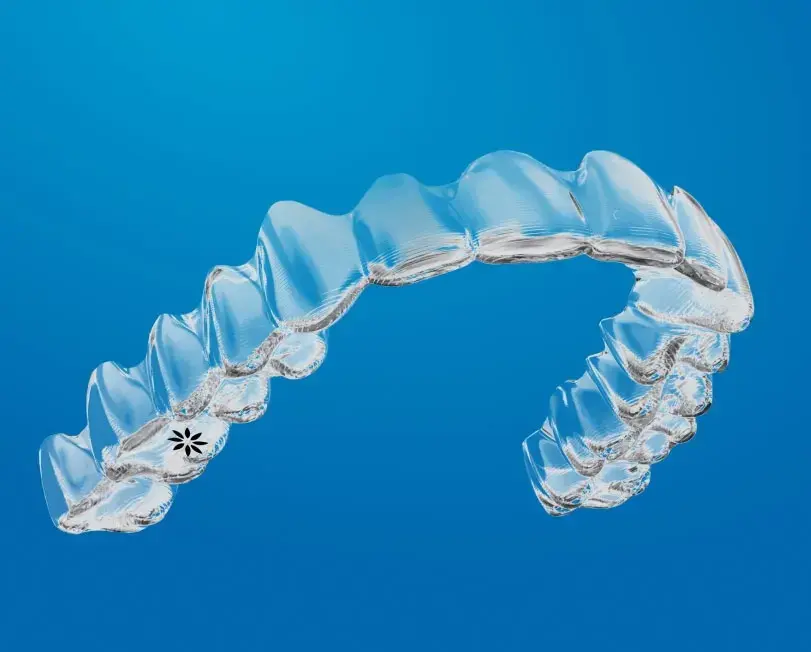
Understanding the Fundamentals of Root Control in Orthodontics
The journey towards a perfectly aligned smile extends far beyond simply straightening the visible crowns of teeth. Beneath the gum line lies a crucial element that determines the long-term success of any orthodontic treatment: root angulation. This often overlooked aspect of tooth movement plays a pivotal role in ensuring that straightened teeth remain in their corrected positions for years to come. When teeth are moved without proper attention to root positioning, the results can be unstable, leading to relapse and disappointment. Invisalign Limerick can provide desirable results with more convenience and discretion.
Root angulation refers to the angle at which a tooth’s root sits within the jawbone relative to its crown. Proper root angulation ensures that teeth are not merely tipped into position but are moved bodily, with the entire tooth structure—from crown to root tip—repositioned correctly. This comprehensive approach to tooth movement is what separates superficial cosmetic adjustments from genuine orthodontic correction that stands the test of time.
The Evolution of Clear Aligner Technology
Traditional orthodontic brackets and wires have long been capable of controlling root movement through the strategic placement of attachments and wire bending techniques. However, the advent of clear aligner therapy initially raised questions about whether plastic trays could achieve the same level of three-dimensional control. Early generations of aligner systems faced legitimate challenges in this regard, with biomechanics in clear aligners requiring significant refinement to match the capabilities of conventional braces.
Modern Invisalign treatment has evolved considerably, incorporating sophisticated engineering solutions that address root angulation with remarkable precision. The system now employs a combination of strategically designed aligner geometry, tooth-coloured attachments bonded to specific teeth, and carefully programmed staging of movements. These elements work in concert to apply the controlled forces necessary for achieving proper root positioning throughout the treatment process.
How Invisalign Achieves Root Control
Precision-Engineered Attachments
The cornerstone of Invisalign’s ability to control root movement lies in its use of composite attachments. These small, tooth-coloured bumps are bonded to specific teeth at precise locations and angles. When seeking Invisalign treatment, patients will find that these attachments serve as handles that allow the aligners to grip teeth more effectively and apply forces in specific directions. Different attachment designs—such as optimised rotation attachments, vertical rectangular attachments, and bevelled attachments—are selected based on the type of movement required for each individual tooth.
Staged Movement Protocols
Rather than attempting to achieve final root positioning in a single step, Invisalign employs a staged approach to tooth movement. This methodology recognises that roots move more slowly than crowns and require sustained, controlled forces over extended periods. The treatment planning software calculates the optimal sequence of movements, often incorporating overcorrection in certain stages to account for the elastic properties of the periodontal ligament and ensure that roots catch up with crown positioning.
Power Ridges and Aligner Features
Contemporary Invisalign aligners incorporate subtle but sophisticated features designed specifically for root control. Power ridges—raised areas within the aligner material—create focused pressure points that encourage intrusion or extrusion of specific teeth. The thickness and flexibility of the aligner material itself are calibrated to deliver appropriate force magnitudes, typically ranging between 50 and 100 grams, which research has shown to be optimal for controlled tooth movement without causing root resorption or other complications.
The Importance of Retention Following Root Repositioning
Achieving proper root angulation during active treatment represents only half of the equation for long-term stability. The British Orthodontic Society’s clinical guidelines on retention emphasise that newly positioned roots require time to establish stable bone support. Following Invisalign treatment completion, retention protocols typically involve wearing retainers consistently for several months, after which patients transition to night-time wear indefinitely.
The bone surrounding repositioned roots undergoes a remodelling process that can take twelve months or longer to fully stabilise. During this critical period, retainers prevent teeth from drifting back towards their original positions. Recent studies on long-term orthodontic stability have demonstrated that patients who maintain proper retention protocols following treatment involving comprehensive root repositioning experience significantly better outcomes than those who discontinue retainer wear prematurely.
Achieving Lasting Results Through Comprehensive Treatment
The sophistication of modern Invisalign systems in addressing root angulation represents a significant advancement in orthodontic care. By combining precision-engineered attachments, carefully staged movement protocols, and specialised aligner features, clear aligner therapy can now achieve the three-dimensional tooth control necessary for stable, long-lasting results. When patients commit to both the active treatment phase and subsequent retention protocols, properly executed Invisalign treatment delivers outcomes that endure well beyond the final aligner tray.